Clay Mine Hutch Display Area Taking Shape

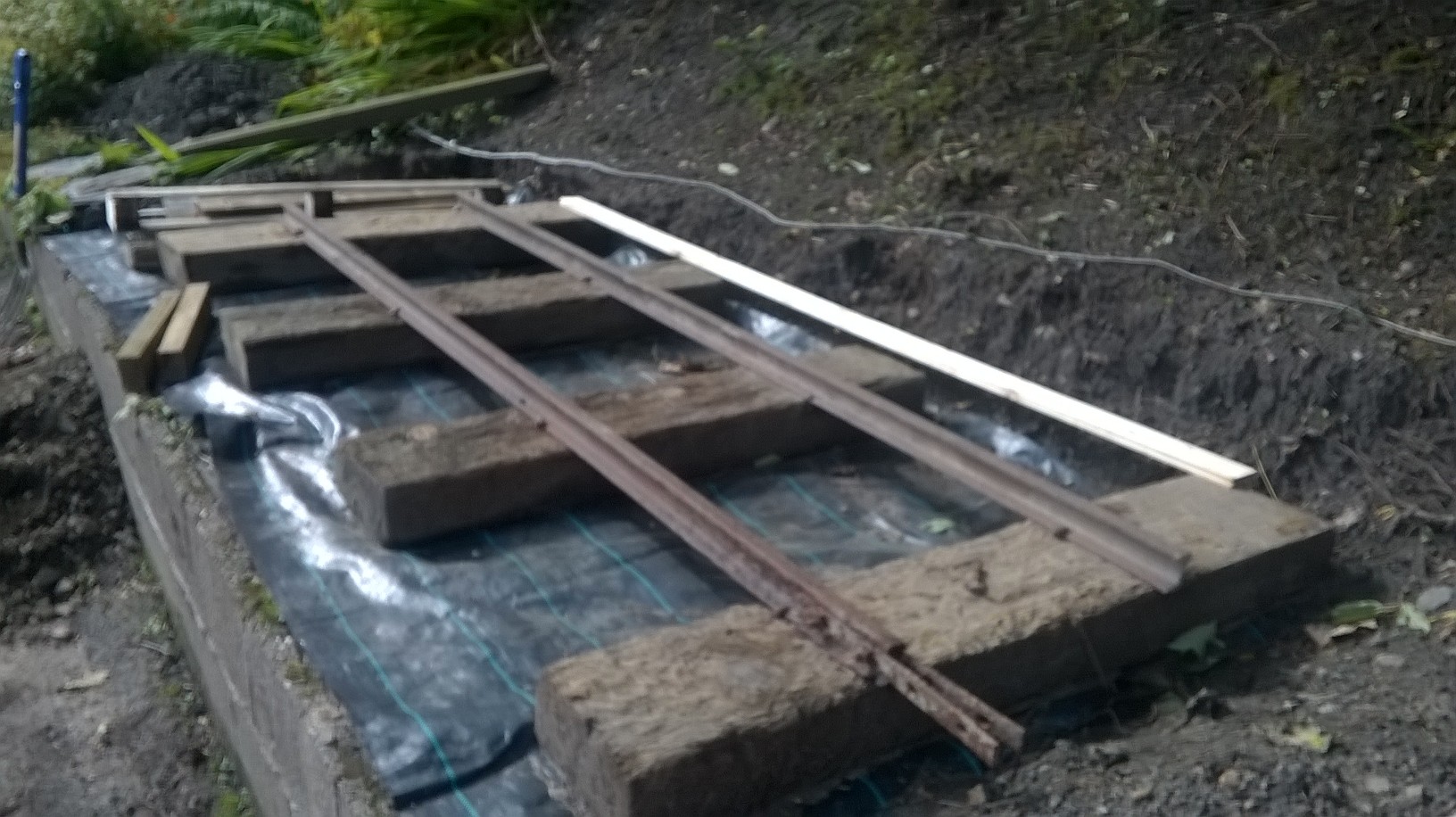
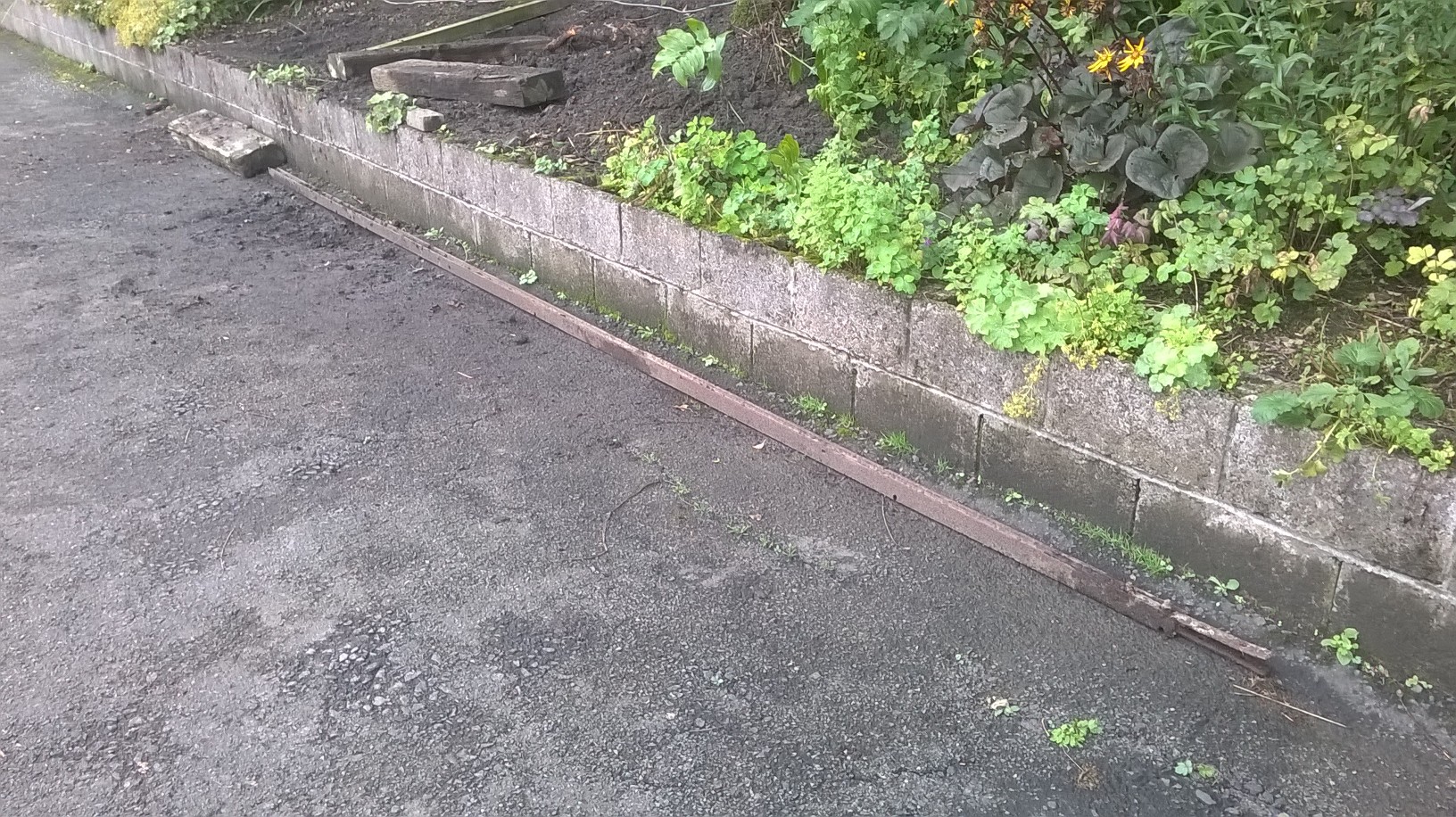
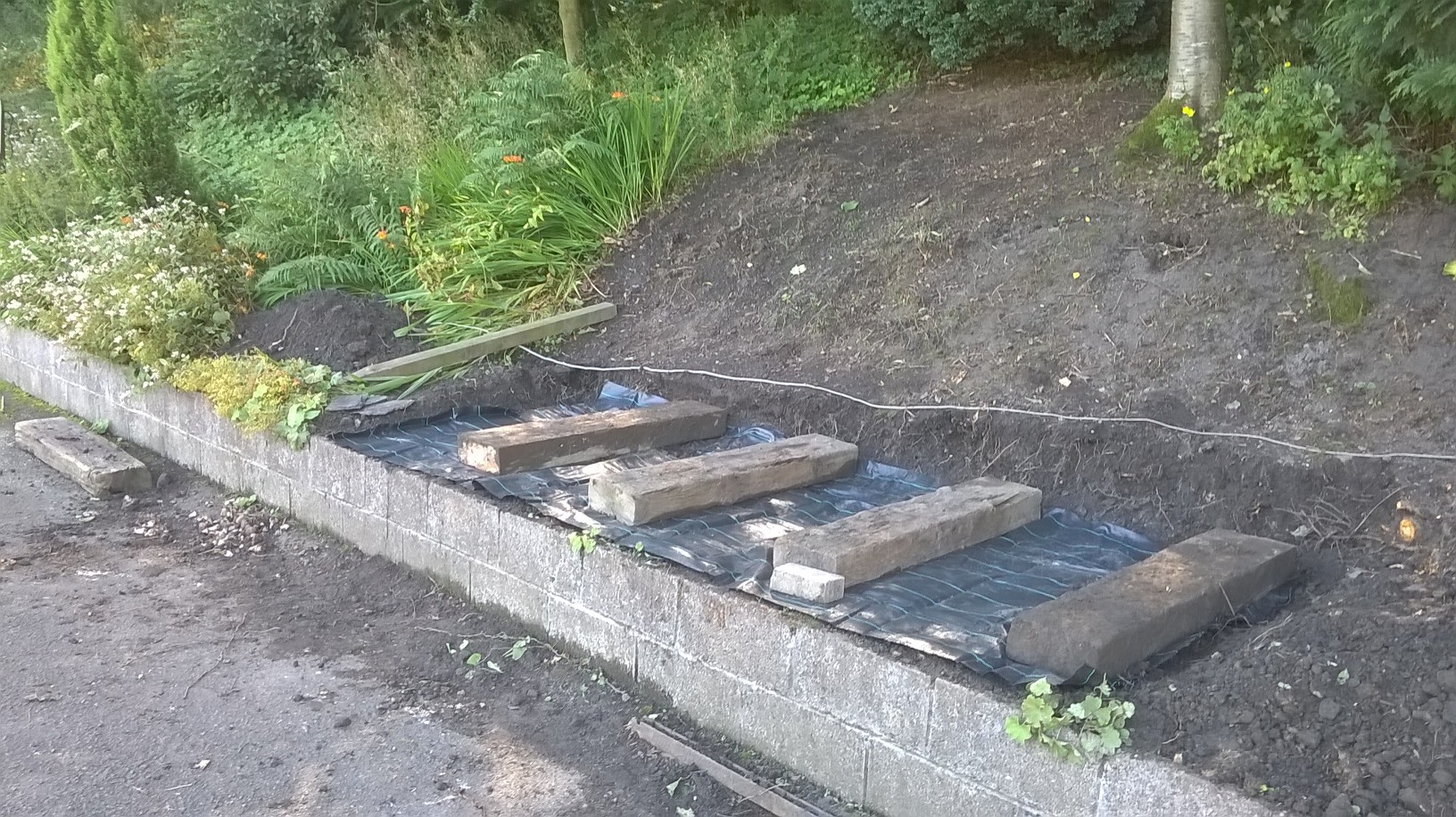
Work continued on the display area for the last remaining Clay Mine Hutch. Sleepers where levelled and the spare track section cut and secured to the sleepers using original nails found while cutting back the vegetation on the incline a couple of years ago. Once the track had been fitted an outer timber frame was secured to the sleepers and then infilled with ballast.

Weekend Update

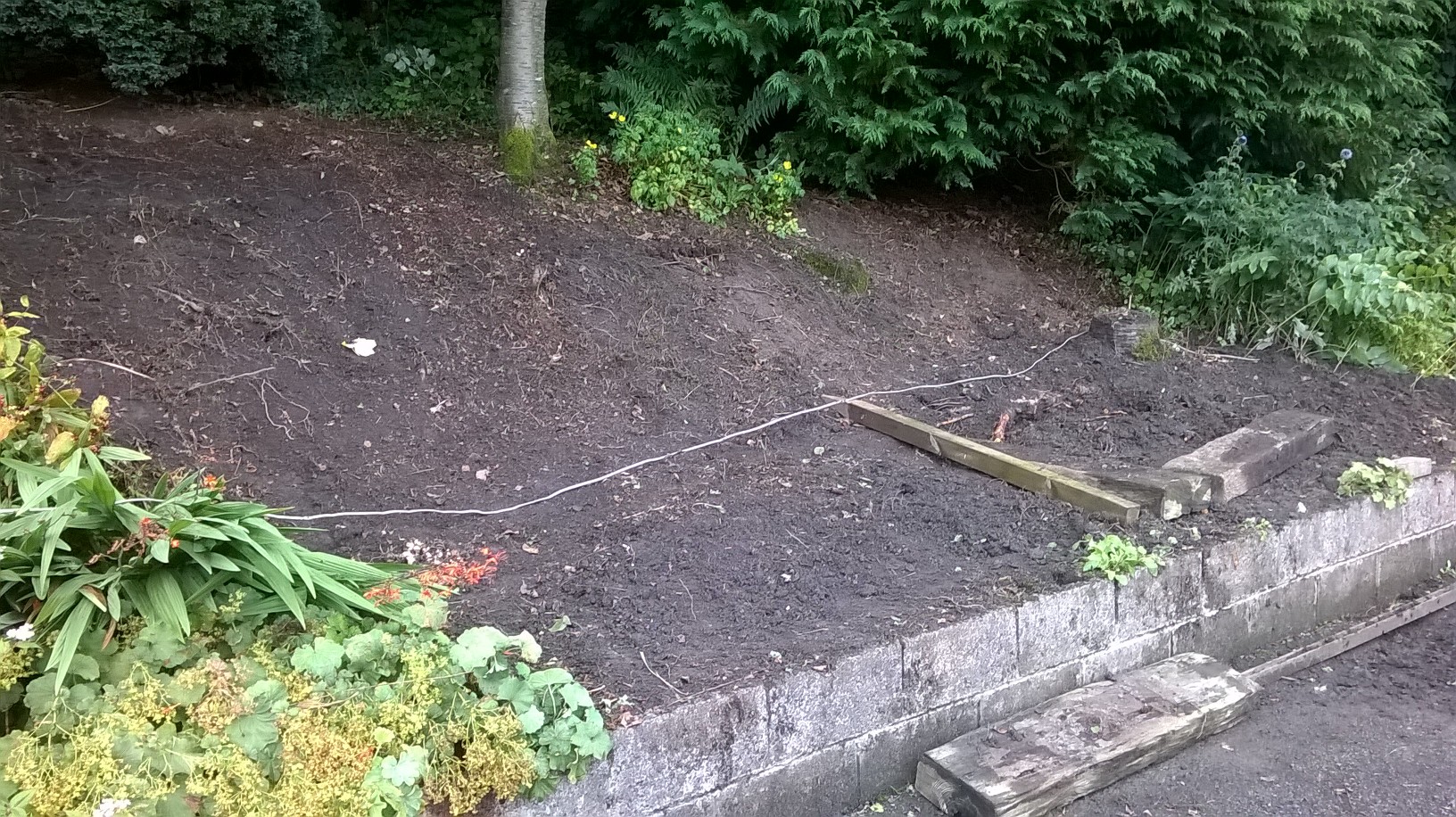
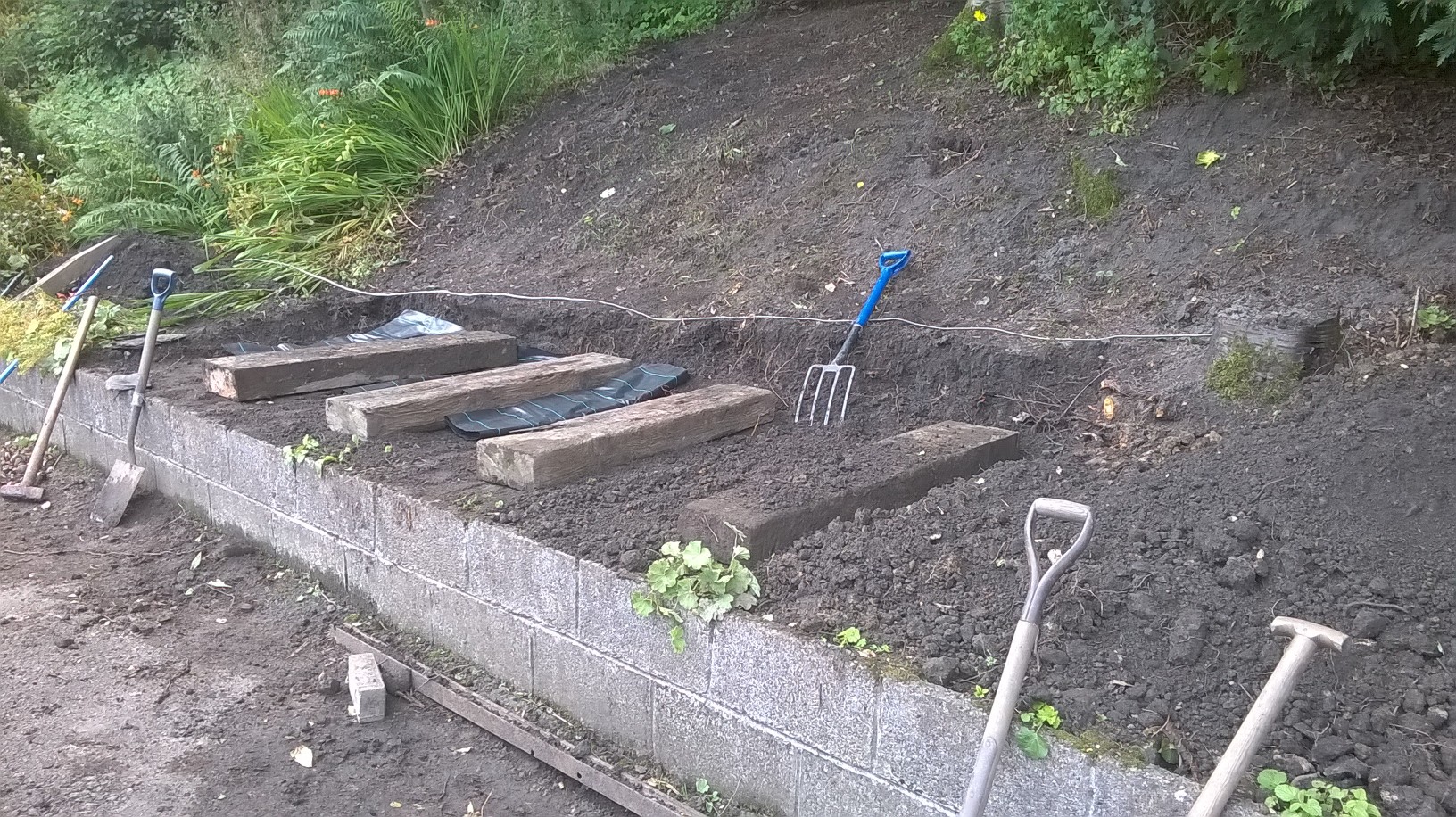
Work restarted on one of the group’s projects for 2020 – Birkhill Clay Mine Hutch Display. Having identified a suitable spot before the Covid-19 lockdown, work commenced on clearing away plants (many of which were our trusted friends the ‘weeds’) and moving tonnes of soil to enable a level bed to place the small sections of sleepers down and ultimately some original track from the incline (spare section found under the bridge!). Weather permitting it is hoped to get these part of the project completed in a couple of weeks, so that we can look at rebuilding the hutch and putting onto the track.


Station Update & Landslide appeal

Its been a while since the last post, but work has been continuing over the last month once the Covid-19 Recovery Plan had been implemented for the station.  The work on the main blue station sign reframing restarted, the sink area in the side room to the exhibition room has been given a fresh look and work has started on the Clay Mine Hutch display area on the platform embankment has commenced.

However, on the evening of Tuesday 11th and in the early hours of Wednesday 12th August, much of Scotland was battered by severe thunderstorms. During a subsequent inspection of the Bo’ness Kinneil Railway, the Scottish Railway Preservation Society (SRPS) Civil Engineer identified multiple landslips along approximately a mile-long stretch of the railway. The line was declared unfit for traffic and the railway closed to passenger trains. Please note that engineering trains will still operate to facilitate repairs: do not trespass on the railway. The worst of the landslips has occurred on a steep embankment near ‘High Bridge’. A geo-structural engineer has inspected the site and we have since estimated that this damage may cost £100,000 to repair.

The significant damage to our railway line could not have come at worse time: we had planned a limited reopening of the Bo’ness Kinneil Railway in mid-September, after a lengthy closure due to the Coronavirus pandemic that has left our income at a record low.


Until the embankment is repaired, we cannot operate any trains meaning that we cannot generate any income. Once again, we are reaching out to our generous supporters: we need your help to raise £100,000 to fix the storm damage on the Bo’ness & Kinneil Railway. Any donation large or small will help secure the future of our railway. Soif you can help in any way please donate here;

Please Donate Here

Friday DRS ‘Giggy Giggy’

Weekly movements from the main line down to Bo’ness are becoming a regular occurrence these days! Today was the turn of a very rare view of three class 37’s and two class 20’s Direct Rail Services loco’s which arrived at the Manuel Link Line under the identifier 014Y 08:20 Carlisle Kingsmoor SDG (DRS), a tad later than published but the wait was worth it!

Due to the weight restrictions over the viaduct the lead class 37 brought the two class 20’s into Birkhill first before being recoupled to the trailing 37’s.

Class 37’s – 37038, 37558 ‘Avro Vulcan XH558’ & 37403 ‘Isle of Mull’

Class 20’s – 20302 & 20305

Once recoupled they set off for Bo’ness for planned maintenance works


More Birkhill Movements

The latest movements at Birkhill today 8th July saw two ex LNER HST Mark 3 coaches (42205 & 42210) being brought down from Manuel to Bo’ness, where they will be further moved by road to there new home.

The coaches arrived on the link line at Manuel from Craigentinny under the Identifier 5Z43 and moved down to Bo’ness by Class37 37067.


History of Birkhill No.3 – West Platform Extension & Track Relay to Tods Mill

Now that the North end points had been replaced, the next phase of the development was to extend the platform to allow for longer trains and as part of the future passenger operations to Manuel programme,  this required the removal of the old track, lower the formation and relaying the track through the cutting between Birkhill & the Avon Viaduct.

All this required negotiating and purchasing additional land on the loop side opposite the station, creating an access route down to the loop, overcoming the usual floods, enabling the running seasons to continue and not one but two Badger Sets just to add to the fun.

The following video gallery provides a pictorial account of the work done by the ‘Monday Squad / Civils team over the course of Mid 2007 to Spring 2009 when the copes for the extension were finally laid.

Thanks again goes to James Robertson for the photographs…. for more information of the work done, take a look at the following blastpipe articles in additions:- Autumn 2007 pages 2 to 5, Winter 2007 pages 12 & 13, Spring 2008 page 29 & summer 2008 page 4.


History of Birkhill No.2 – 2007 North End Point Replacement

As part of the society’s plan to develop Birkhill as a signalled passing station with two platforms, the North End Points needed to be replaced. The new point was one of two large ex-Loanhead turnouts which had been recovered from Kinneil.

The opportunity was taken to move the new turnout as far northwards as the bridge would allow, lengthening the loop and giving an almost straight run from the north to the east track.

The following video gallery provides a pictorial account of the work done by the ‘Monday Squad’, ‘SAD’ team & S&T department over the course of January to March 2007.

Thanks goes to James Robertson for the photographs….

History of Birkhill no.1 – Whats in a name!

Birkhill Station takes its name from a ‘crossing loop’ first constructed in 1899, situated just a ¼ mile north of the present location of the station. The name itself is probably a shortened version of a neighbouring farm known as Birchhill.

Due to the heavy traffic on the branch line, the then owners, the North British Railway felt the need to split the single line section between Bo’ness Low Junction and Kinneil into two. NBR constructed a simple crossing loop more or less on the site of Chapelton Lye where an earlier loop existed but ceased to be used back in 1866.

In 1914 Birkhill began to acquire commercial significance when the sidings to the Clay Mine, owned by Messrs P&M Hurll & Co., where laid. The sidings to the Clay Mine climbed away from the main line and immediately split into two parallel tracks up to the mine processing plant. The opportunity was taken to extend the loop at the south end. The new siding and additions to the signalling came operational July that same year.

Over the following years the signalbox on the loop became less significant due to signalling advances and would only open to allow access to the Hurll’s sidings and by the end of the 1950’s ceased operating altogether.

The following images have been copied from past Blastpipes: